
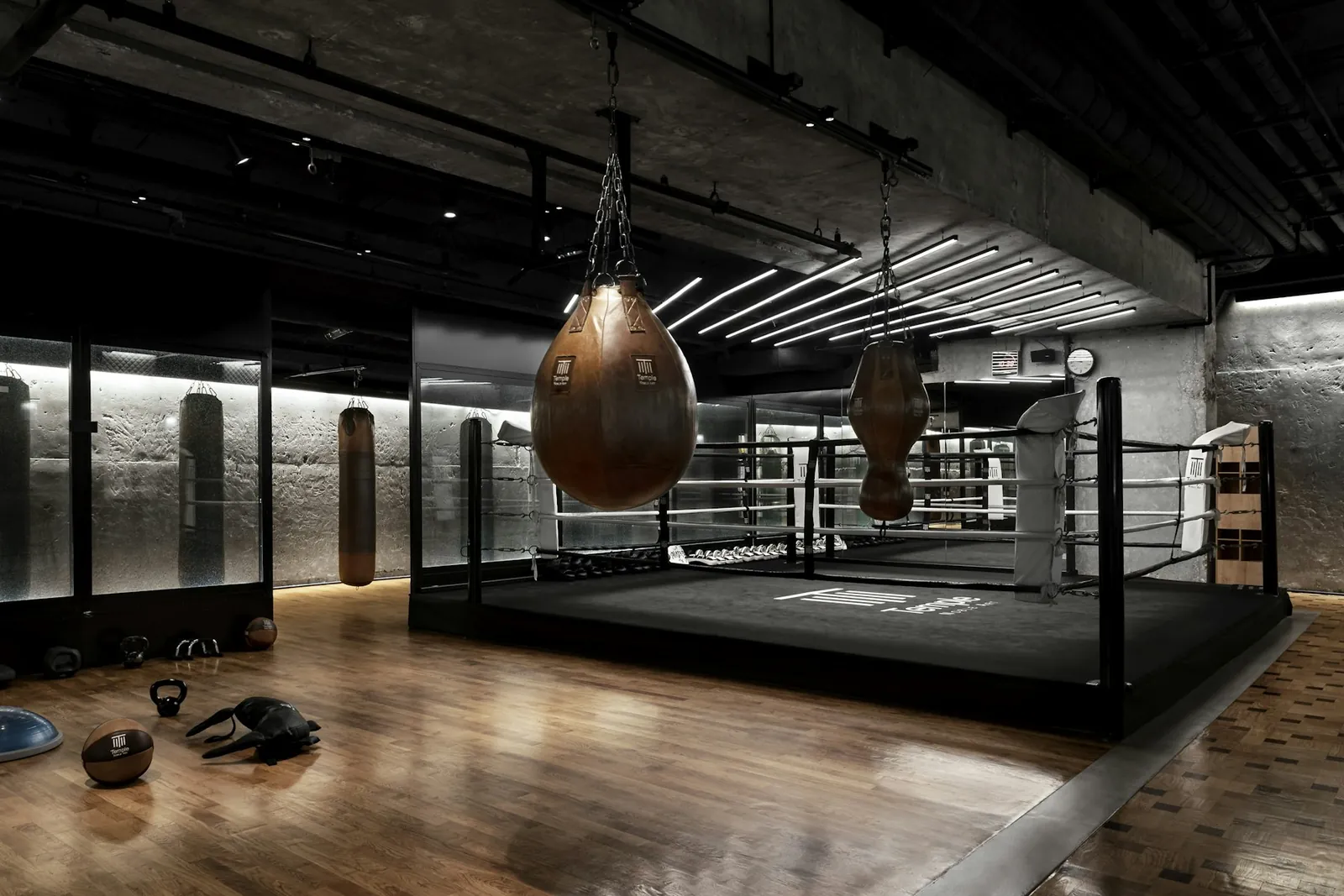
Muay Thai after a hair transplant should wait until your doctor has examined your scalp and cleared contact, and sparring is the last thing to come back. Walking returns first, then light weights, then harder cardio, and none of the training belongs in your surgery week.
If you hoped to fit a training camp and surgery into one visit, keep the camp for another trip.
When can I go to the gym after a hair transplant?
Published advice does not agree, so treat these as starting points for a conversation, not a timetable.
| Source | What it says |
|---|---|
| StatPearls | No heavy lifting or strenuous activity for 1 week |
| American Society of Plastic Surgeons | You may be told to avoid vigorous exercise and contact sports for at least three weeks |
| Cleveland Clinic | Return to exercise or sports at around three weeks |
| NHS | Great care for two weeks; you may be told to cut down on exercise in the first month to reduce scarring |
The shortest and longest answers differ by weeks. We suggest planning around the longer one. Only one mentions contact sports, where three weeks is a minimum, and none discusses kicks, clinches or punches to the head. Clearance for sparring is a judgement your doctor makes after looking at you, and it may come well after the first month.
Exercise after a hair transplant, in a sensible order
- Walking. Short, shaded walks are usually fine after a couple of days. Cleveland Clinic places light activities at days 3 to 5. Slow down if your head throbs.
- Light weights. Day 10 to 14 is when to ask, not a start date. Once the doctor agrees, begin with loads you can lift while breathing normally. Skip anything with your head below your chest, as one review lists head down positions and bending among the things to avoid after FUE.
- Cardio. An easy stationary bike in a cool room comes before running, skipping or circuits. Add effort over several sessions, not in one.
- Heavy lifting. Return to hard sets only when lighter work has caused no bleeding, swelling or soreness, and the doctor has agreed.
- Pads and bag work. There is no planned contact with your head, but plenty of sweat and strain, and a partner can still catch you by accident. Treat this as a late step.
- Clinching and sparring. Last, and only with clear permission. In the clinch, gloves and forearms pull directly on the back of the head, where grafts are taken.
If a step causes bleeding or new pain, stop and tell the clinic.
Why blows and pulling matter
In one small study, doctors pulled on individual grafts in 42 patients. Pulling a hair could remove a graft in the first two days, pulling an attached scab could do so through day 5, and grafts were no longer at risk by day 9. That is useful, but it is not proof that a head kick is harmless on day 10. The test was a pull on single hairs, not an impact on healing skin. The NHS still describes grafts as not secure for the first two weeks.
Sweat, strain and blood pressure
Hard effort sends more blood to the scalp, and the American plastic surgeons’ society warns it may make the grafts or incisions bleed.
Heavy lifting adds its own effect. When researchers measured five experienced bodybuilders, blood pressure rose sharply during lifts, even single arm curls, partly because people strain against a held breath. The study was not about hair transplants. If you already have high blood pressure, raise it at your consultation.
We found little direct research on sweat and grafts. A practical worry is what people do about it: wiping, scratching, rubbing with a towel, or pulling on a cap. Wash gently as you were shown instead. The recovery page covers those first weeks.
Headgear, mats and shared kit
Headgear softens a blow, but it also grips, slides and rubs. Ask the doctor about it separately from sparring. Permission to train is not permission to wear a tight strap over the grafts or donor area.
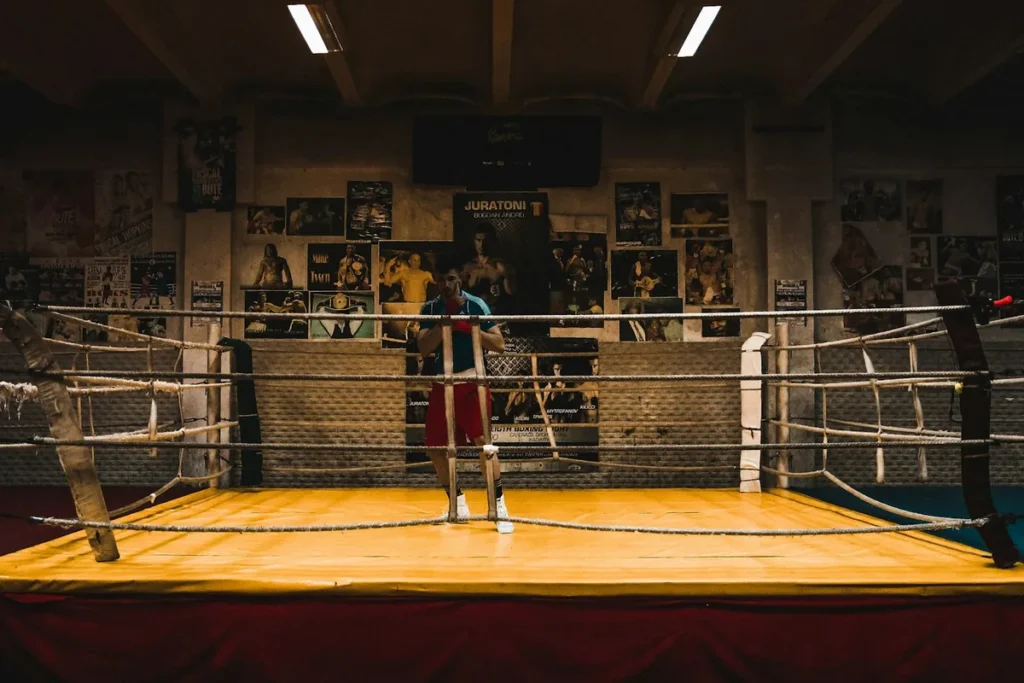
Contact sport also spreads skin infection, by touch and through shared equipment and towels. The same health department guidance says athletes should not share gear, and should generally be kept out of sport with open wounds that cannot be properly covered. When you do return:
- Use your own headgear, gloves and towel, all washed
- Do not shave your head for a fight until the clinic agrees
- Stay away if you have weeping spots, crusts or a new rash
Bangkok heat and open-air gyms
Not every gym here is air-conditioned. Heat loss through sweat becomes minimal when it is above 35°C and very humid, and the same CDC chapter tells travellers who have not adapted to limit how hard and how long they exercise in their first week. Just after surgery, sit it out.
Sun counts too. StatPearls advises keeping donor and recipient areas out of direct sunlight for 1 month. Confusion, collapse or a very high temperature in the heat is an emergency.
If training is the point of your trip, speak to us about dates and length of stay first. Tell the doctor how often you spar, whether you have a fight booked and about old scalp cuts. The time to do that is when you book a consultation.
When to call the clinic
Contact us, with photos if you can, after any knock to the grafts, or if you see fresh bleeding after exercise. See a doctor the same day for:
- Bleeding that does not stop with gentle pressure
- Fever or chills
- Spreading redness, pus, or pain that is getting worse
After a blow to the head, get emergency help for being knocked out and not waking, a fit, unusual sleepiness, or problems with vision, balance, speech or understanding. Trouble breathing, or swelling of the face and throat, is also an emergency. In Thailand the medical emergency line is 1669.
Common questions
Can I do shadow boxing in the first week?
It is better not to. A gentle drill easily turns into a hard, hot session, and StatPearls rules out strenuous activity for that week at the very least. Walk instead.
Can I train legs, since my head is not involved?
Leg exercises can be among the most strenuous in the gym, so the rule is about effort, not the muscle. Leave squats and leg press until the doctor has cleared heavy lifting.
I was hit on the head by accident. Have I lost grafts?
You cannot tell from soreness alone. Do not rub or inspect with your fingers. If there is bleeding, press gently with clean gauze, take a clear photo and contact the clinic for advice.
Can I use a sauna or sweat suit to make weight?
Not while you are healing. Both mean heat and heavy sweating, and cutting weight usually means eating and drinking less as well. Ask about each separately. Our page on massage and sauna explains the reasons for caution.
What should I tell my trainer?
Say you have had surgery, show which areas must not be touched, and agree that nobody holds your head or neck. Give the rules before class, when they are easier to keep.
When can I book a fight?
Wait until a doctor has cleared you for full contact. Ask for that decision well before any deadline to enter, and choose a date you can move.
Sources
- Hair transplant, NHS
- Hair transplantation, StatPearls, NCBI Bookshelf
- Hair transplant recovery, American Society of Plastic Surgeons
- Hair transplant, Cleveland Clinic
- Follicular unit extraction hair transplant review, PMC
- Graft anchoring in hair transplantation, Dermatologic Surgery, 2006
- Arterial blood pressure response to heavy resistance exercise, Journal of Applied Physiology, 1985
- Guidelines for skin infections in contact sports, New Jersey Department of Health
- Heat and cold illness in travelers, CDC Yellow Book
- Head injury and concussion, NHS
- Healthcare and medical services in Thailand, GOV.UK