Leave Thai massage after a hair transplant until your doctor has looked at your scalp and said yes, and do not book one for the days straight after surgery. Saunas and steam rooms need the same permission, so on a short visit it is simplest to save them for another trip.
Why Thai massage is not just a gentle rub
Nuad Thai is a full-body treatment. UNESCO describes therapists working with their hands, elbows, knees and feet, together with hot herbal compresses. You are pressed and stretched, and you may be turned on your side or face down.

One review of hair transplant complications advises against sleeping on the side or face down afterwards. Pressing your forehead into a cushion raises the same concern.
| Treatment | What to think about | What to do |
|---|---|---|
| Traditional Thai | Firm pressure, stretches, changes of position | Wait for a clear yes |
| Head, neck and shoulder | Hands on or beside the grafts and donor area | Wait for a clear yes |
| Oil massage | Less stretching, but oil can reach the scalp | Ask first |
| Head spa or scalp scrub | Rubbing and products directly on grafts | Wait for a clear yes |
| Facial, hot towel or face steam | Touches the hairline, beard or brows | Ask first |
| Foot massage | Seated, hands far from the scalp | Ask first |
| Sauna or steam room | Heat and heavy sweating | Wait for a clear yes |
Head and neck pressure: what could go wrong?
New grafts sit in tiny cuts. In a study of 42 patients, pulling a hair always removed the graft in the first two days. By day six it did not, but stuck scabs lengthened the period of concern, and the study did not test kneading. The NHS says to be very careful for the first two weeks because the grafts will not be secure.
The donor area matters too. It usually lies at the back and sides of the head, where a therapist presses the base of the skull. The ISHRS describes 7 to 10 days of tenderness to the touch after the first discomfort fades.
There is a wider caution as well. Thailand’s traditional medicine department has said that the neck bones, the sides of the neck, and the areas beneath and behind the ears should not be massaged at all. The country’s Neurological Institute strongly discourages neck twisting. Refuse it whether or not you have had surgery.
Oil, balm and heat
Oil that reaches the scalp has to be washed out, and early washing should be gentle, in the way your clinic showed you. We did not find a good study of massage oil or warming balm on new grafts, so the cautious course is to keep both off the head, hairline and neck. Put only what your clinic has advised on the treated areas.
Sauna and steam after a hair transplant
A Finnish sauna is commonly 80 to 100 degrees Celsius, and dry heat raises heart rate, skin blood flow and sweating. We found no trial that gives a safe day for a sauna or a steam room after hair surgery.
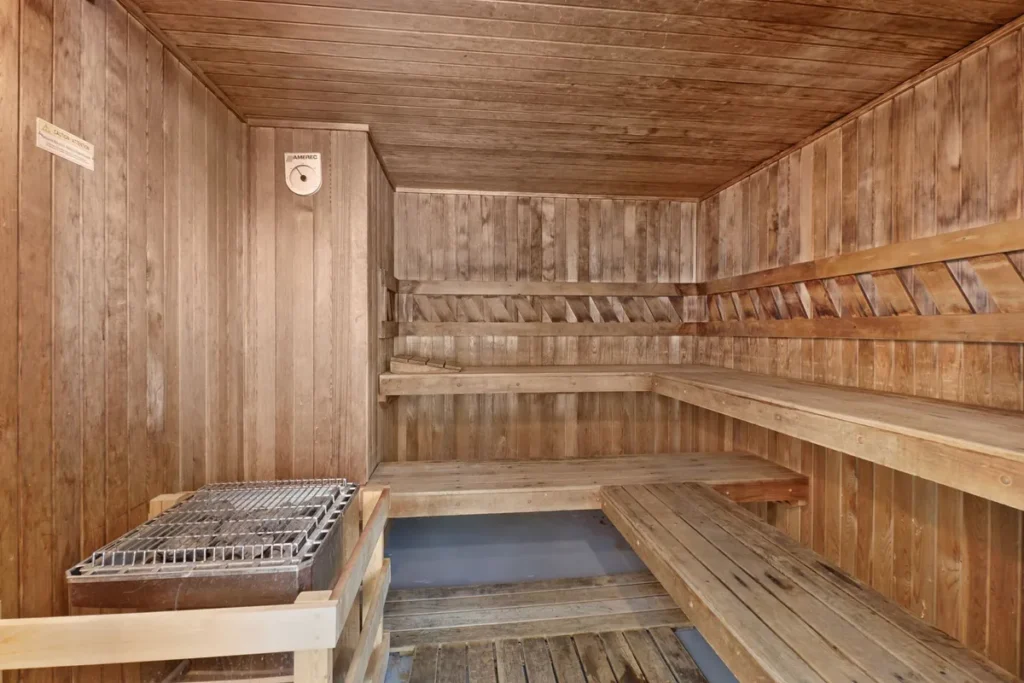
There are reasons to wait. An ISHRS journal review lists excessive moisture and sweating, scratching and contaminated headwear among local risk factors for infected follicles.
A hot tub or plunge pool adds water to the question. StatPearls, a medical reference, advises against putting the head fully under water for 2 to 4 weeks. Sitting with your head clear still means heat and splashes, so ask about it by name.
Beard and eyebrow grafts
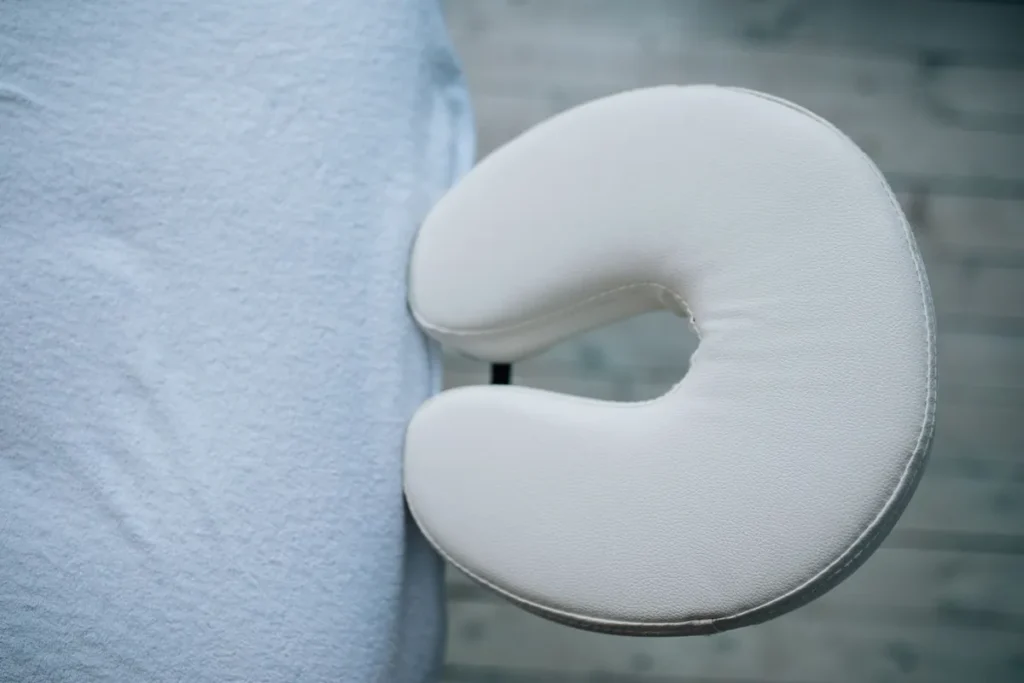
Not all grafts are on the scalp. A face cradle presses on beard and eyebrow grafts, and a facial or threading appointment puts hands right on them. If the hair came from the back of your head, you have two areas to protect, and there may be no comfortable way to lie. Tell a beauty salon about the surgery as well as a massage shop.
When might the doctor say yes?
Your doctor may look for closed skin, no scabs, no sign of infection and settled swelling. As one comparison, a Cambridge hospital leaflet on ordinary scars says massage should start only when a wound is completely healed, usually about four weeks after surgery. A hair transplant is different, so do not use that as your date.
Ask about each thing separately, because a foot massage, a firm Thai session and a sauna may get three different answers:
- Which treatment, and may anyone touch my head or neck?
- May I lie flat, on my side or face down?
- Is oil allowed, and where?
- Is heat allowed, including saunas and herbal compresses?
- Does any medicine or condition I have make massage unwise?
That last one matters. Thai health advice reported by Thairath includes blood thinners, a fever above 38.5 degrees, and open or infected wounds among reasons to avoid massage or ask a doctor. Never stop a prescribed medicine to make a massage possible.
When the day comes, choose the shop with care. The Nation reported that Thailand’s 2016 law requires establishments to display their licence and a list of their therapists, so look for both. Then tell the therapist before you start, point to the areas that are off limits, and leave if they are not respected. Our recovery guide shows the usual healing stages, and the travel page covers the quiet days.
When to call the clinic
Contact us or your doctor the same day if someone has pressed, rubbed or knocked the treated skin, or if you notice fresh bleeding, spreading redness, pus, fever, or pain that is getting worse. If bleeding continues after gentle pressure with clean gauze, see a doctor at once.
Do not have a leg massaged if it has become painful or swollen, especially after a long flight. Deep vein thrombosis is on the Thai department’s list of conditions that need professional assessment before massage, and the NHS advises same-day help if you think you have a clot. Chest pain or breathlessness is an emergency, and so is sudden weakness after neck pressure.
Common questions
Can I have a foot massage the day after surgery?
Ask the clinic first. A seated foot massage keeps hands away from the scalp, but you should feel well, have no leg pain or swelling, and make sure the shop leaves out any head and shoulder finish.
Can I have a Thai massage before surgery?
Ask, especially if it would be within a few days. There are no grafts to protect yet, but a bruised, scratched or sore scalp is unwelcome on the day. Leave out head and neck work, and mention anything tender at your examination.
Can I massage the swelling out of my forehead?
Not unless your clinic has shown you how. In the review above, swelling appeared on the third day and subsided by itself by day six or seven. Swelling with pain and redness needs prompt attention.
I already had a head massage. What should I do now?
Do not rub or pick to check. Send clear photos to the clinic and say when it happened, how firm it was and whether there was bleeding, then let the doctor look.
Will a scalp massage help the new hair grow?
Do not start one without advice. Pressing early can disturb healing, and we did not find good evidence that it helps transplanted grafts. If you would like a plan for your visit, ask the clinic.
Sources
- Nuad Thai, traditional Thai massage, UNESCO
- Health chiefs’ massage warning, citing the Department of Thai Traditional and Complementary Medicine, The Nation
- Who should avoid Thai massage, citing Thai health officials, Thairath
- Neck massage warning from the Neurological Institute of Thailand, Pattaya Mail
- Hair transplant, NHS
- After hair restoration surgery, ISHRS
- Graft anchoring in hair transplantation, Dermatologic Surgery 2006, abstract
- Complications of hair transplant procedures, PMC
- Hair transplantation, StatPearls, NCBI Bookshelf
- New laws for spas and massage parlours, The Nation, 2016
- Immediate post-operative folliculitis, ISHRS Hair Transplant Forum International
- Clinical effects of regular dry sauna bathing, systematic review, PMC
- Scar massage information, Cambridge University Hospitals NHS
- Deep vein thrombosis, NHS