

FUE or DHI is a choice about the second half of the operation. Both take grafts one at a time from the back and sides of your head with a small punch. What changes is how those grafts go back in, and for many people that matters less than the plan and the team.
What FUE and DHI share
FUE stands for follicular unit extraction, or excision. Strictly, the name describes only how grafts are removed. DHI, direct hair implantation, starts with the same removal and adds a pen for placing.
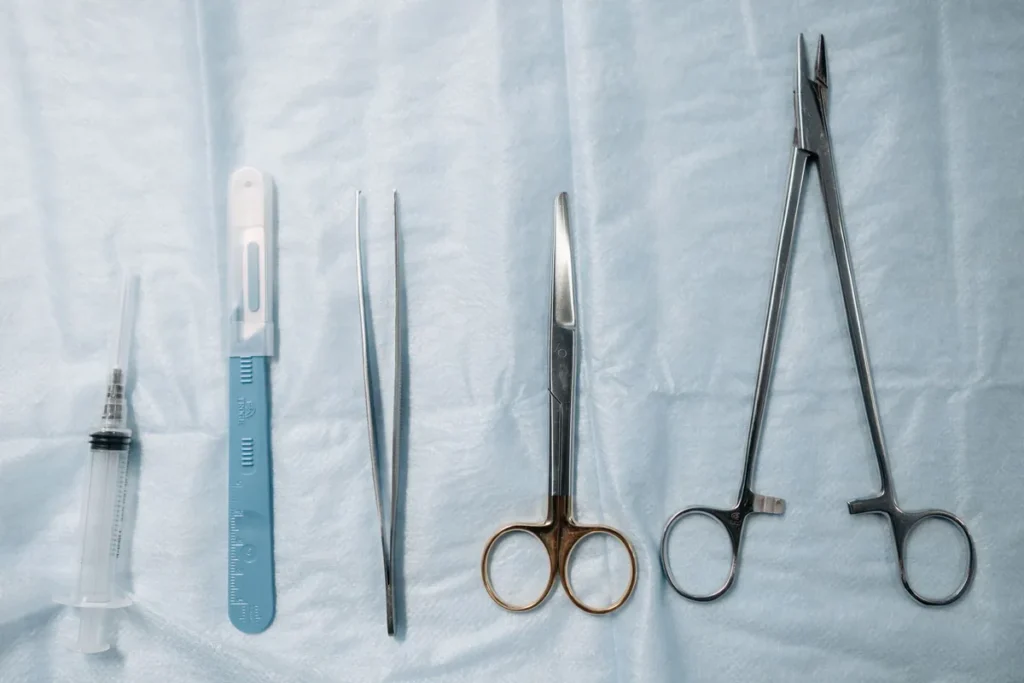
So these parts are shared:
- local anaesthetic
- one natural group of hairs per graft
- small round scars in the donor area, not a line
- the same limited donor supply
- shedding in the first weeks, then about a year to the final result
You may also hear of grafts placed with a blunt pen into sites that were made first. The ISHRS, an international society of hair surgeons, lists that and the sharp pen as two kinds of implanter. Two clinics can therefore mean different things by the same letters. Ask for the steps, not only the label.
How placement differs
| Step | Standard FUE placement | DHI placement |
|---|---|---|
| Making the site | All or many sites are made first | The pen makes each site as it places the graft |
| Placing the graft | With fine forceps, or a blunt pen | Pushed out of a sharp pen |
| Direction and depth | Set when the sites are made | Set as each graft goes in |
| Who is needed | The surgeon for the sites, a team to place | The surgeon for placement, a team to load pens |
| Extra materials | Few | Pens or needles, which are an added cost |
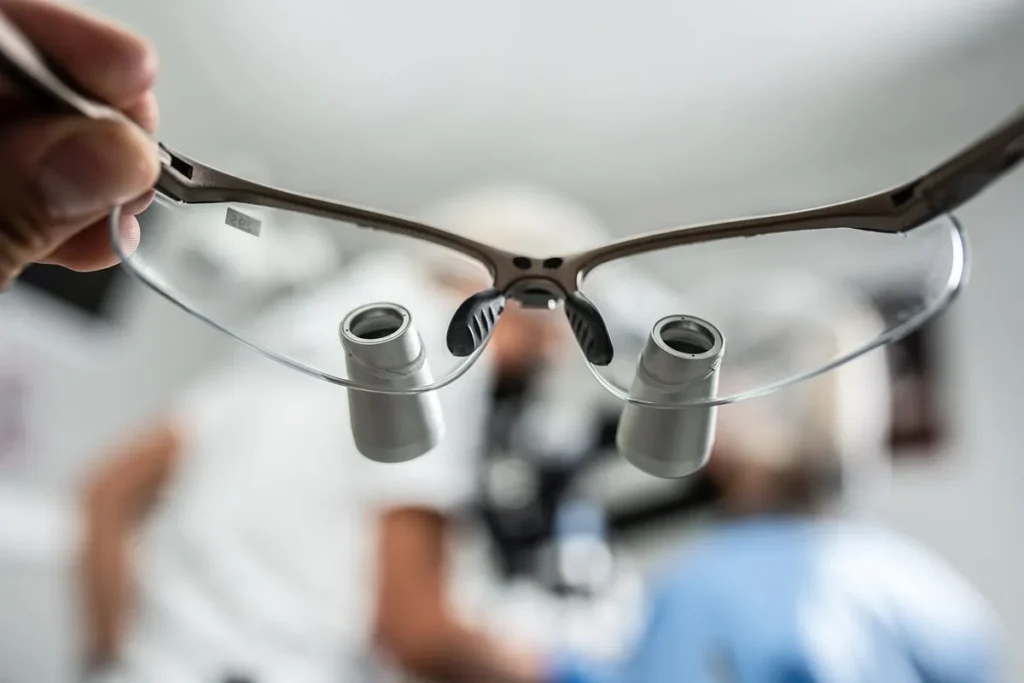
Making sites in one go lets the surgeon plan the whole area at once. The pen lets the angle be adjusted graft by graft, and an implanter guide says it is less likely to crush grafts than forceps. Its authors use the pen themselves. A 2026 review points out that too much pressure from forceps or implanters can crush a graft.
The sharp pen cuts the skin. The ISHRS says surgeons should not hand it to unlicensed staff. If you choose DHI, ask who holds the pen from the first graft to the last.
Session time
Our pages give 6 to 9 hours for FUE and 6 to 10 for DHI. The American Academy of Dermatology gives four to eight hours for a hair transplant in general. The number of grafts usually changes the day more than the tool does.
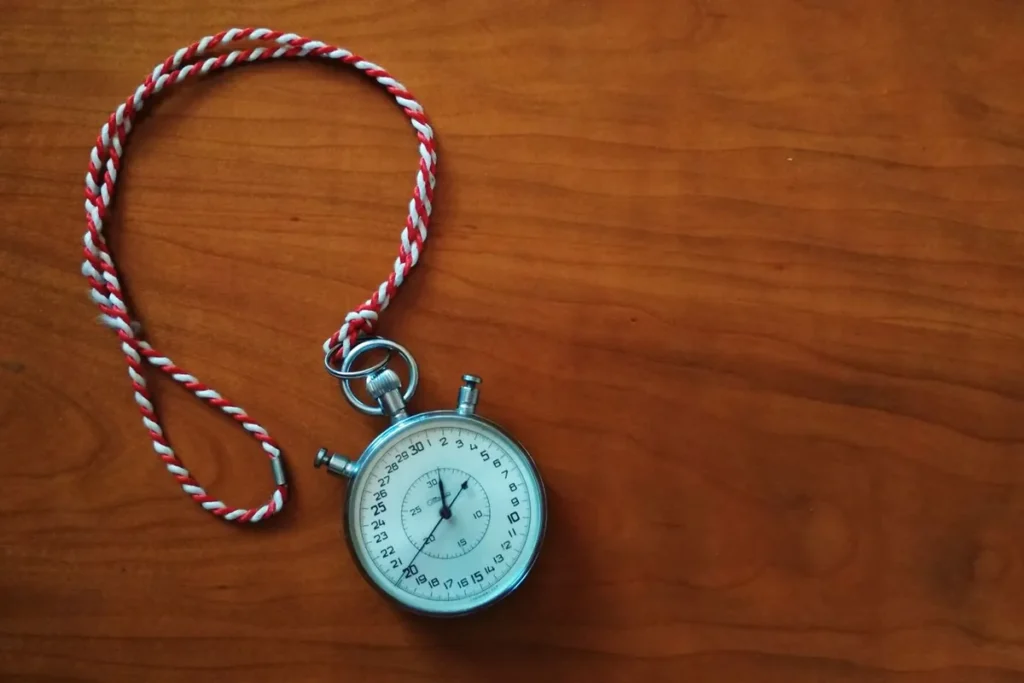
Research on speed does not agree. The implanter guide ranks the sharp pen as the fastest method. In a comparison with one patient per method, pens ranked ahead of planting into sites made first, but four patients cannot settle it. In a study of 191 patients, premade sites were faster, at about 719 grafts an hour against 554, on the study’s measure, when each site was made and filled in turn.
That second approach is called stick and place. The sharp pen is one form of it. The study’s published summary does not say which tools were used, so it tells us about the order of the steps and not about one brand of pen.
Shaving
Removal decides most of this. FUE is usually done with a shaved donor area, and because DHI removes grafts in the same way, its donor area is usually trimmed too.
The recipient area is a separate question. Working between existing hairs with a pen can make it easier to leave the top long. That is possible with some standard placement as well, and neither name promises it. If keeping your hair matters to you, read about long hair FUE, which concerns removal and is a separate choice from placing.
FUE and DHI recovery time and results
Expect the same course after both: swelling for a few days, scabs for about ten, then shedding and slow regrowth. The donor area heals in the same way because the wounds are the same.
We found no good trial showing that a pen shortens healing or makes more grafts grow. The 191-patient study is the closest we have:
| Outcome | What it found |
|---|---|
| Survival of grafts | No significant difference |
| Complications | No significant difference |
| Shedding | Less with stick and place |
| Density | Higher with stick and place |
| Patient satisfaction | Higher with stick and place |
It looked back at existing records, and patients were not assigned to a method by chance. Surgeons may have chosen methods for different kinds of cases, so treat the differences as hints.
Higher density is not always a benefit. Packing grafts too closely is a recognised risk, and it spends donor hair. For the first fortnight in detail, see DHI recovery, day by day.
Who may suit which
These are starting points for a talk with a doctor, not rules.

Standard placement may be more sensible if:
- you need a large area covered
- the skin is stiff or scarred, where sites made first are useful
- you bleed easily, since cutting and placing together can be harder
DHI may be worth discussing if:
- the area is small or medium, such as a hairline or temples
- you are adding hair between hairs you still have
- fine control of angle matters, which the implanter guide rates as better with the pen
Some plans use both, with a pen at the front and standard placement behind. Very curly hair needs an examination before either. And some people should have neither for now: those whose loss is fast, whose donor area is thin or whose diagnosis is unclear.
What matters more than the name
- Who examines you, plans the hairline and makes the incisions.
- How many grafts are out of the body at once, and for how long. Long out-of-body time and drying harm grafts with any tool.
- Whether the team uses the method regularly.
- Whether the plan leaves donor hair for later.
- How many patients the same team treats that day.
If a clinic recommends one method, ask what it would do differently in your case with the other. A clear answer is a good sign. You can book a consultation and put that question to us.
Common questions
DHI or FUE hair transplant: which is better?
Neither, as a rule. A well-planned operation with either should serve you better than a poorly planned one with the other. Choose the doctor and the plan first.
Do FUE and DHI results look different?
We found no good evidence that they can be told apart once grown. Direction, spacing and single hairs at the edge do more for a natural look than the instrument.
Is DHI the newer method?
The name is heavily advertised, but the tool is not new. A 2018 review dates the first implanter pen of this kind to the 1990s. Newer would not mean better in any case. Ask what it changes for your hair, and what it does not.
Does DHI cost more?
It often takes more staff time, and the pens add to the materials. Compare written quotes for the same number of grafts and the same area.
Can I choose the method myself?
You can state a preference, and you should say why. If the reason is recovery time or shaving, the doctor can tell you whether the method would really change it in your case.