
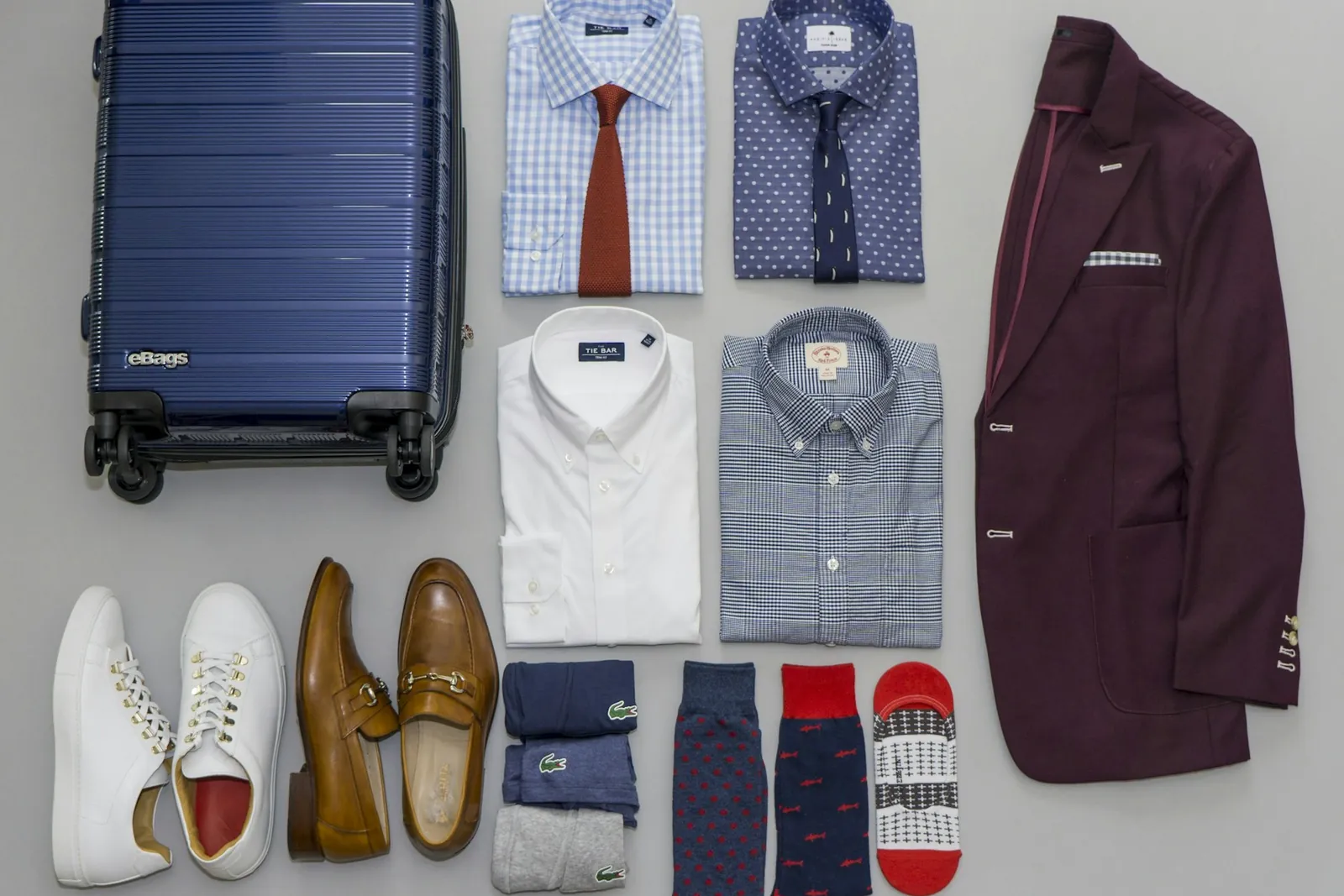
Pack front-opening shirts, a pillow that keeps your head raised, a loose clean hat, your medicines in their original packets, and a written list of medicines and allergies. Most of what you need for a hair transplant is ordinary. The aim is simple: nothing should drag over your scalp, and nothing important should be in a lost suitcase.
The short packing list
| Hand luggage | Suitcase | Leave at home |
|---|---|---|
| Passport and arrival papers | Four or five shirts that open at the front | Vapes and e-cigarettes |
| Medicines, prescriptions and doctor’s letter | Dark, soft pillowcase | T-shirts with a tight neck |
| Medicine and allergy list | Loose, clean hat | Hair fibres, sprays and wax |
| Clinic address and emergency number | Slip-on shoes | Gym kit and swimwear |
| Neck pillow and one clean shirt | Folding umbrella | Jewellery you would have to remove |
| Glasses, charger, power bank | Light layer for air conditioning | New supplements |
One clean shirt in the cabin bag covers you if your case is delayed.
What to wear to a hair transplant
Wear a loose shirt that buttons or zips down the front. Published advice is to avoid clothing that must be pulled over the head on the day of surgery, and the same habit protects new grafts as you change that night. Ask the clinic when you can go back to T-shirts.
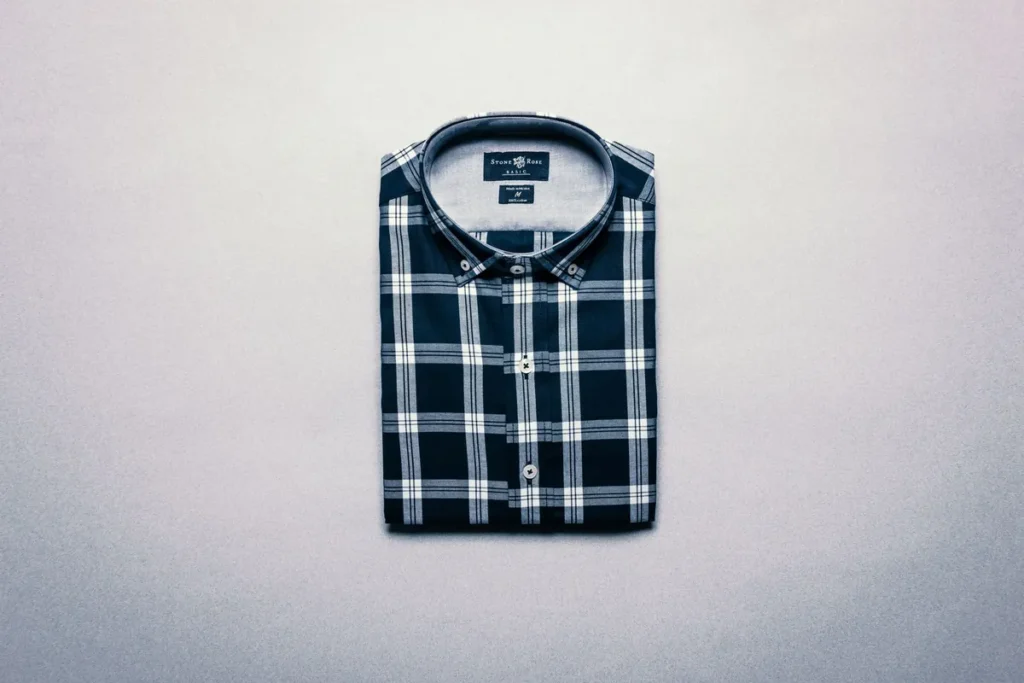
Choose something you do not mind staining, because fluids and antiseptic can mark it. Dark cotton is practical. Add soft trousers and socks, since you may lie still for hours in a cool room.
Skip necklaces and earrings. If you wear contact lenses, carry glasses as well: swelling can move to the forehead and eyes in the first days, and lenses may be uncomfortable.
Come with clean hair and no product. One medical reference says to stop sprays, gels and wax 24 hours beforehand and to avoid hair dye for three to four days. Do not shave or cut your hair unless the clinic asks you to.
Pillow and bedding
You will be sleeping with your head up. StatPearls, a medical reference, advises raising the head of the bed by 15 to 30 degrees for the first week. Ask your hotel for two extra pillows before you arrive.
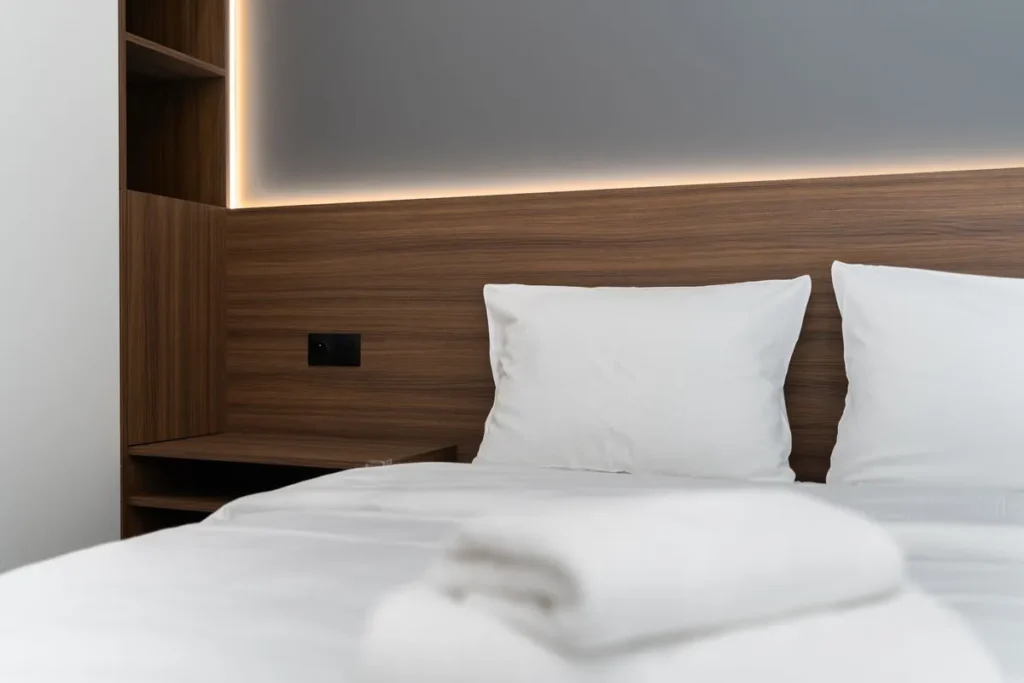
A neck pillow can stop you rolling over. Pick a smooth one, and try it at home: it should support your neck without rubbing the back of your head, where grafts are taken. If it presses there, stack ordinary pillows instead. A dark pillowcase or an old towel saves the hotel linen.
Set up your room before surgery
Unpack the day before, while lifting and bending are easy. Hang two shirts where you can reach them. Put your charger, water, glasses and aftercare sheet beside the bed, and clear the floor so that you do not trip at night.
Then look at the shower. StatPearls says to avoid water straight from a high-pressure shower head, so pack a light plastic cup and ask the clinic whether to rinse with it.
Which hat, and when
Take one hat that is clean, wide and loose enough to lift on and off without touching the top. Advice on timing differs. One source says a loose, clean hat is acceptable straight after surgery, while some doctors prefer to wait, so put it on only when your clinic says so.

Since you may not be able to use it at first, an umbrella is the better sunshade for the trip. The same source advises keeping direct sun off both areas for a month.
Medicines, allergies and papers
Type one page in English and print two copies. Include:
- every medicine, with its strength, how you take it and why
- herbal products, vitamins and anything bought without a prescription
- allergies, including to anaesthetic, antibiotics, latex, iodine or plasters
- past operations, bleeding problems, fainting and current illnesses
- your doctor’s name and someone at home to call
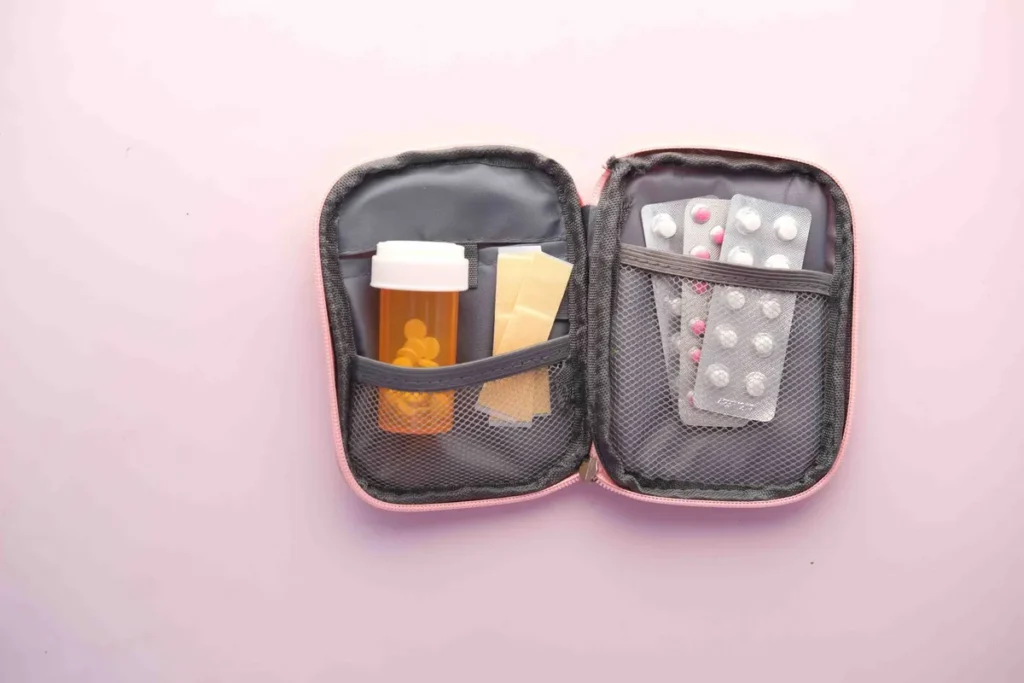
Send this to the clinic before you fly. Advice about some medicines differs between sources: for anti-inflammatory painkillers, one says to stop seven days before and another 12 to 24 hours. So let the doctor decide, together with whoever prescribed it. Never stop a blood thinner, heart or blood pressure medicine on your own.
Check Thai law for each medicine as well. The Thai Food and Drug Administration controls some common ones, with codeine, zolpidem, diazepam and pseudoephedrine among its listed examples. Depending on the type and quantity you may need a prescription or certificate, or a permit requested at least 15 days before travel. Some, such as dextroamphetamine, cannot be brought in at all. If that affects you, speak to your own doctor first. Keep everything in its original labelled container, and check the latest version of the rules before each visit.
For entry, British travellers are told they need a passport with six months left, a blank page and an online arrival card, which can be completed up to three days before arrival. Other nationalities should check their own government’s page. Save your quote, bookings and insurance wording on your phone.
What to leave at home
- Vapes. Possessing one is illegal in Thailand, with no exception for tourists or personal use.
- Cigarettes. StatPearls advises stopping three to six weeks before surgery and for as long afterwards.
- Extra power banks. They must go in the cabin, and since March 2026 the limit is two per person, each protected. Airlines may be stricter.
- Heavy luggage. Expect to avoid heavy lifting for about a week, and you still have to get your case home. Use wheels.
Packing for Bangkok weather
Pack for heat outside and cold air indoors. Thailand’s weather service calls April the most sweltering month of the year and puts the start of the rainy season in the second half of May. Thin cotton or linen shirts help you stay cool. In the wet months, an umbrella is kinder to your scalp than a raincoat hood. Our travel page covers the week itself.

When to call the clinic
Keep the emergency number on paper as well as in your phone. Call a doctor the same day for fever or chills, redness that spreads, pus, pain that gets worse, or bleeding that does not stop with gentle pressure. Trouble breathing, or swelling of the face and throat, is an emergency. The recovery guide lists what is normal.
Unsure about something on your list? Ask at your consultation, before you pack.
Common questions
Can I wear a hoodie to surgery?
Only if it has a full zip, and leave the hood down. A pullover hoodie has to go over your head afterwards, which is exactly what you are trying to avoid.
Do I need to bring dressings and antiseptic?
Usually not, unless the clinic tells you to. Products that are fine on a cut knee may not suit fresh grafts, so ask what you will need and use nothing on your scalp without checking.
Should I bring my minoxidil or finasteride?
Put them on your medicine list and pack them in the original container, then ask the doctor whether anything should change around surgery. Do not stop or restart either one because of something read online.
What if I forget something?
Shirts, hats and toiletries are easy to replace in Bangkok. Your own prescription medicines, papers and glasses are not, which is why they belong in hand luggage.
Sources
- Hair Transplantation, StatPearls (NCBI Bookshelf)
- Hair Transplant Practice Guidelines (PMC)
- Guidance for travellers carrying personal medications into Thailand, Thai Food and Drug Administration
- Thailand entry requirements, GOV.UK
- Thailand safety and security, GOV.UK
- Changes to rules on power banks, UK Civil Aviation Authority
- 3-month climate prediction, April to June 2026, Thai Meteorological Department